Struck by a bolt of cilantro
PLEASE LET YOUR CILANTRO FLOWER
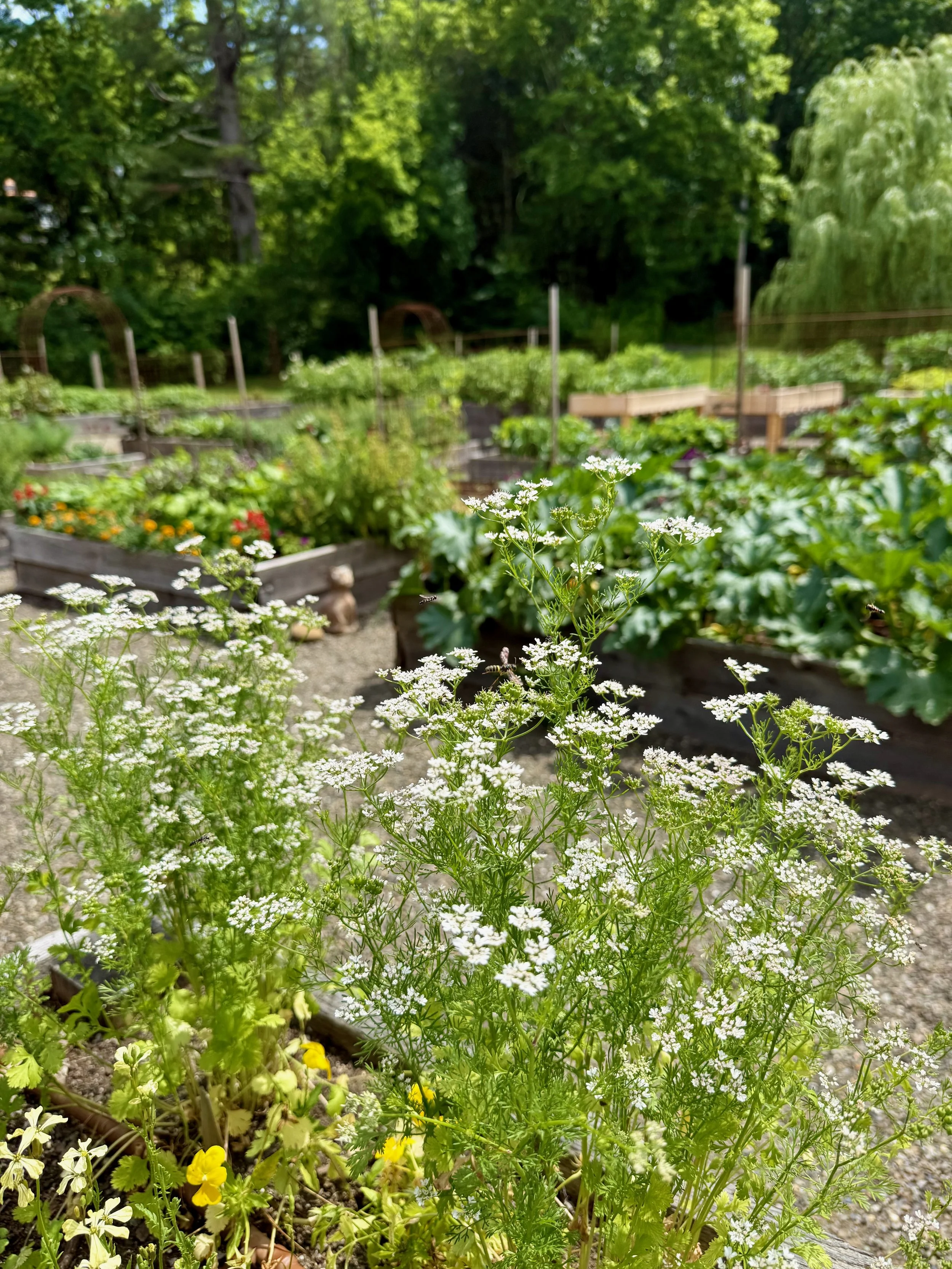
The heat is coming. It’s going to be ok in the garden; we’ve been training for this! Healthy, living soil, intensive planting, integrated plants with varying root depths are all going to help. These temps are going to be pushing the limits though so let’s go over a few best practices. Water deeply early in the morning or later in the evening, maybe add a bonus watering for sensitive or young plants and sown seeds. Resist pruning so the plant doesn’t need to focus on healing, and skip the fertilizer until the temps normalize. We don’t want to encourage new growth. Oh, and lastly, harvest any of those lingering radish and older lettuces.
TALK HERBY TO ME
Well, if I were forced to choose, cilantro may be my favorite herb. So I do get a bit sad when I see the leaves going feathery and that tall, spindly stem shooting skyward. The plant has clearly decided it has had enough. When the temperatures size, cilantro bolts but this is part of what makes it so wonderful!
This week, I want to make a case for embracing the full life cycle of your cilantro, from seed to flower to fruit to seed again. Because when we work with what the plant wants to do, rather than against it, we find ourselves in much better company and with a much more interesting pantry.
FIVE REASONS TO LET YOUR CILANTRO BOLT
1. The flowers are a lifeline for your tiniest garden allies.
Cilantro flowers have shallow nectaries, which means the wee, tiny beneficial insects who wouldn't otherwise be able to feed from deeper blooms can easily access them. We're talking hoverflies, parasitic wasps (harmless to us, absolutely ferocious toward garden pests), and a whole community of allies who work tirelessly to protect your garden.
2. The green fruit is the star of the bright chutney featured below.
Before those seeds dry out into the familiar coriander we know and love, the fresh green fruit appears and while I leave most on the plant, I harvest enough to make a large batch of this sauce. A small botanical note: each little orb is a schizocarp that will dry and split into two seeds. A fun word to drop at your next dinner party...or not, I've been around more plants than people recently.
3. Smoked coriander seed is next level good.
Using a cocktail smoking cloche or a grill with wood chips, you can infuse a deep smoked flavor into dried coriander seeds. The result elevates grilled eggplant, zucchini, chicken, fish...the list goes on and one. It's just really tasty.
4. You will never buy cilantro seeds again.
Let the plant complete its full cycle and collect the seeds. They store beautifully and resow reliably.
5. It's so pretty.
Those delicate white umbel flowers are as gorgeous in the garden as they are in a vase. (When I initially shared this list on IG, it had four points but this was added by some gardeners in the comments.)
HARVEST RECIPE:
MINT AND CORRIANDER CHUTNEY
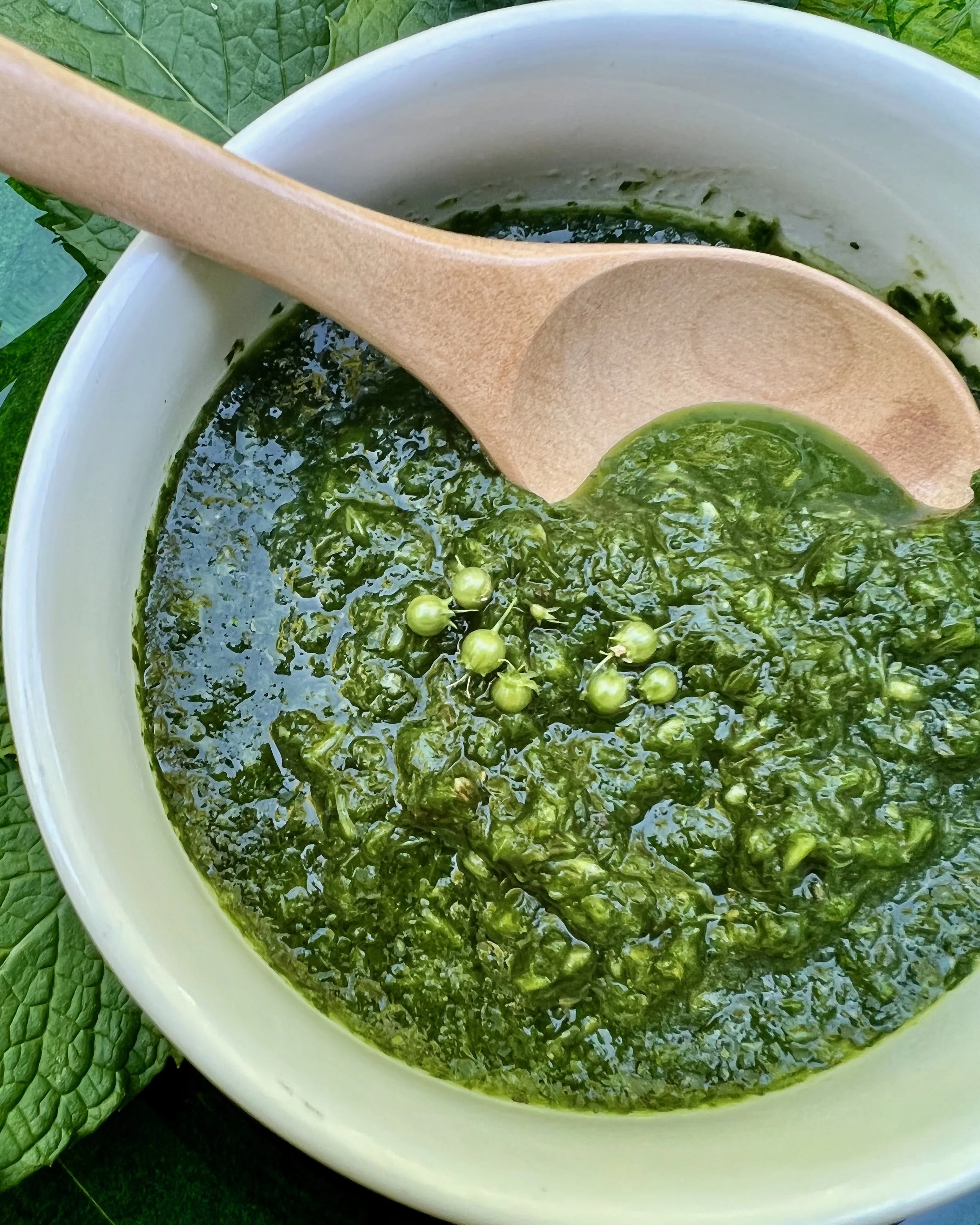
This recipe comes by way of Piping Pot Curry, a wonderful resource for Indian cooking, and I've added one small twist: fresh green coriander fruit. It adds a brightness that makes the chutney taste like it came directly from a garden, because it did.
Ingredients:
2 cups cilantro leaves, hard stems removed, washed, and roughly chopped
2 tablespoon green coriander
1 cup mint leaves, stems removed, washed
2 green chile pepper (I used Thai chiles)
1 tablespoon ginger, grated
3 cloves garlic
2 teaspoon roasted cumin powder (or regular, if you must)
1/2 teaspoon kosher salt
1 teaspoon sugar
1 tablespoon lime juice
1/4 cup water (ice-cold recommended)
Instructions:
Add all ingredients to the blender, although only add 2 tablespoons of water to start. Blend at low speed until ingredients start to mix, then increase speed and blend to a smooth paste. Stop and stir a couple of times as needed. Add more water as needed, about 1 tablespoon at a time, until you reach desired consistency. Chutney is ready. Enjoy right away or freeze in ice cube trays for later use.