How to Help Garden Soil Recover After a Heatwave
Supporting your garden after the heat spiked
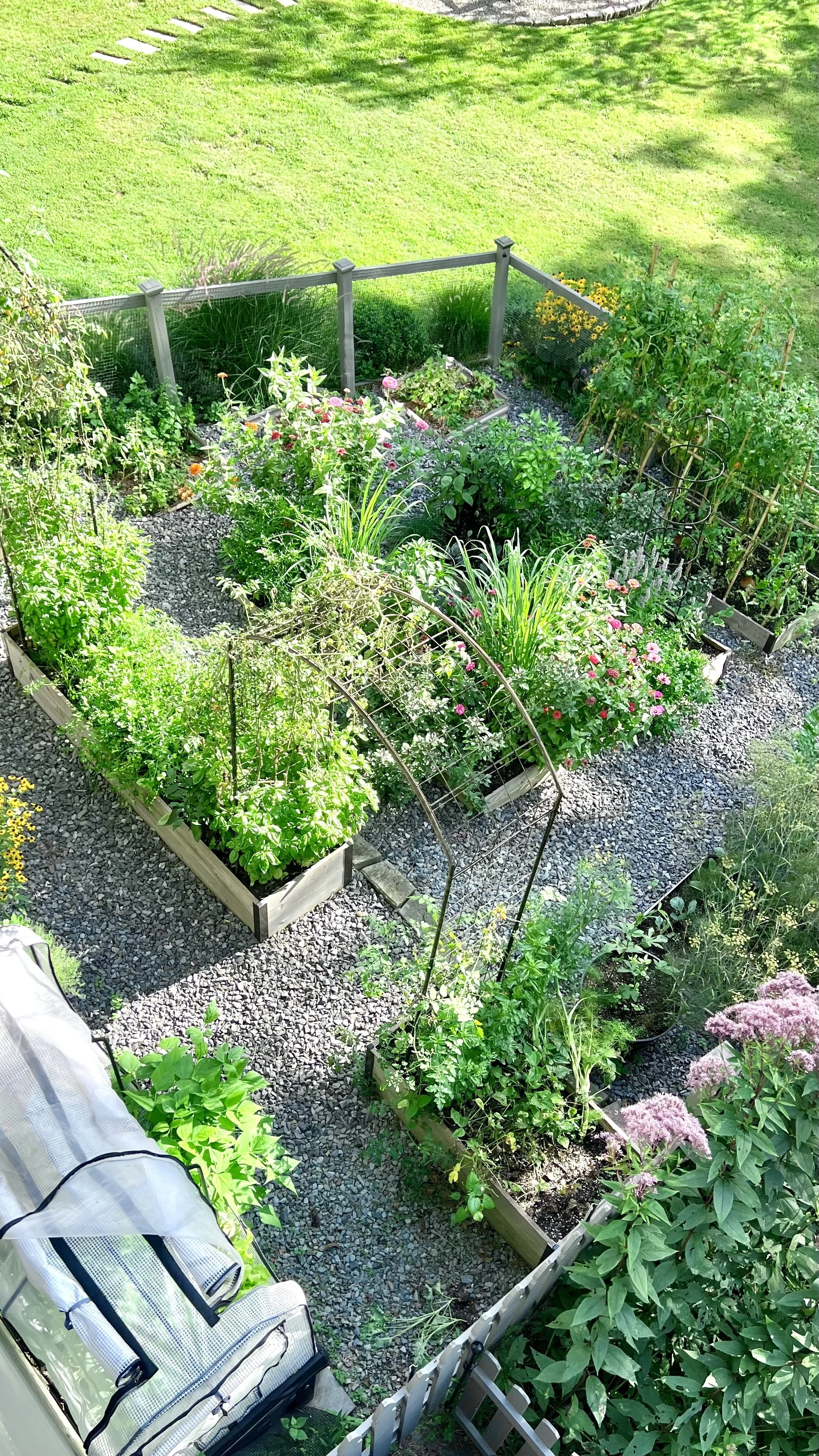
Heatwaves are no fun. Beyond clipping away any crispy foliage, the bulk of the post-heatwave recovery efforts should be focused on the soil. I want to walk you through the impact of the heat, why our beds are better equipped to bounce back than most, and a few action items for the garden.
Poor, Poor Soil
On a mid-90s day, exposed, dry soil can run 15 to 40 degrees hotter than the air around it. The good bacteria and fungi that are the life of soil shut down fast once it gets that hot. We aren’t growing in bare, sandy soil though!
Moisture and organic matter in our soil resists rapid temperature swings so our beds are likely running much closer to air temperature than those extreme numbers. Comforting but the intense heat of recent heatwaves in the Hudson Valley, those limits, plus beds with less soil volume, like raised beds and containers, are going to swing in temperature faster than the ground
The fungi take it hardest. In a controlled study on cucumbers, short-term heat stress cut beneficial mycorrhizal fungi colonization on plant roots to roughly a quarter of normal levels. These fungi act as an extension of the plant's own root system, reaching out into the soil to fetch water and phosphorus that the roots alone can't access.
Dry patches can develop a waterproof coating. When soil dries out under heat, organic compounds on soil particles can concentrate into a waxy layer that actually repels water, a condition called hydrophobicity. The cruel twist: the microbes that would normally break that waxy layer back down are the same ones heat just knocked out. A stressed microbiome makes the soil worse at absorbing the next watering, which stresses the microbiome further. Not a good cycle.
three things to do now
1. Feed the soil. Restock the microbial health. Either look for an organic amendment with a blend of bacteria and fungi or apply a mix of quality compost, worm castings, insect frass (my favorite HERE), and biochar. While I use all of those in our gardens throughout the seasons, I’m applying Grozome for this recovery. Available for purchase HERE.
2. Continue to water deep. A thorough soak encourages deeper root growth and results in less evaporation.If your soil is showing signs of hydrophobicity, take it slow. Let the water absorb, add more, repeat.
3. Leave the soil alone. Resist the urge to dig or heavily disturb beds right now. Fungal networks are physical structures, and if heat already thinned them out, disturbing the soil breaks up what's left to rebuild from.
While we can’t control the weather, it’s good to know that we can support our gardens during times of stress!