Moving beyond peat
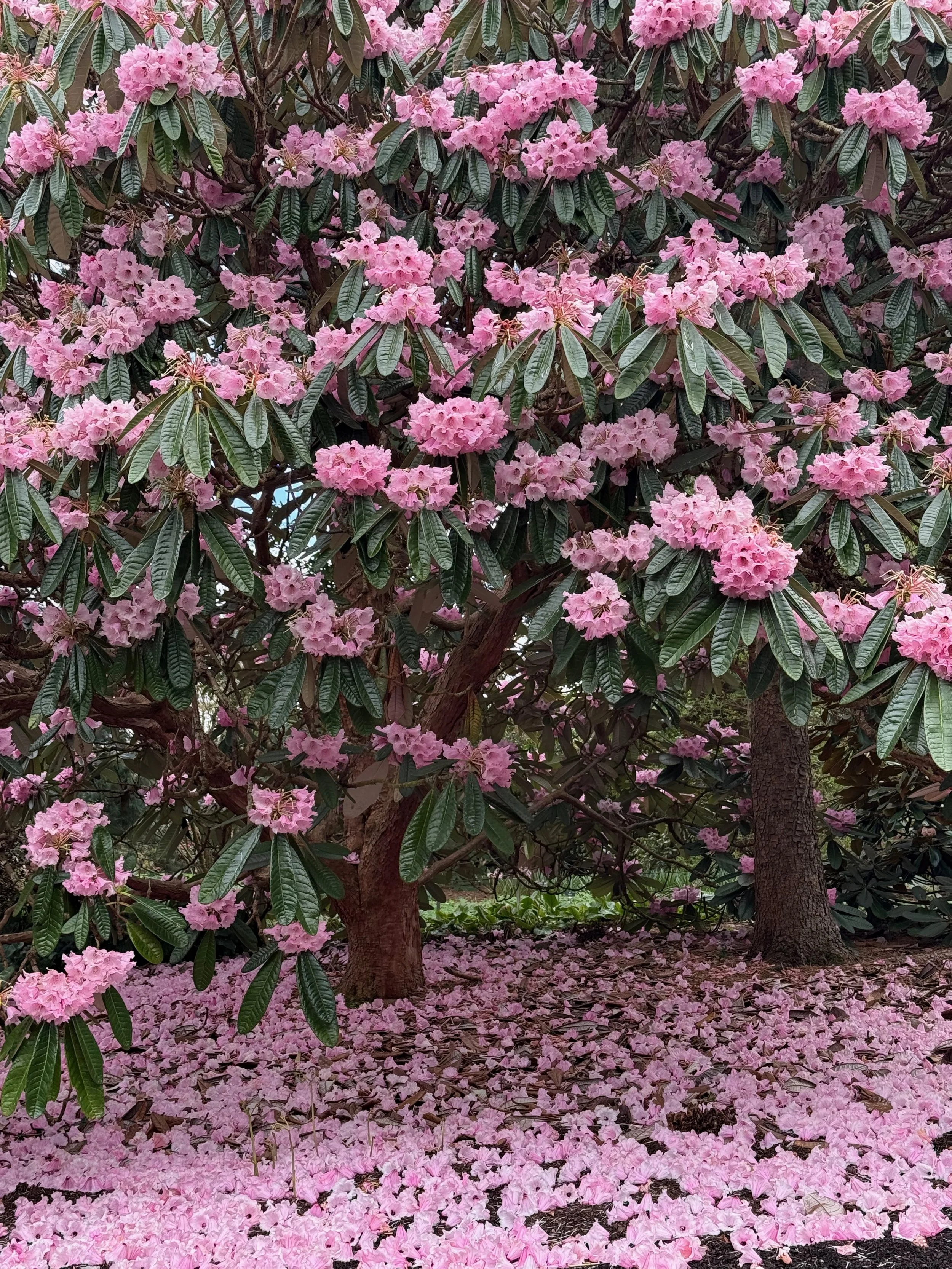
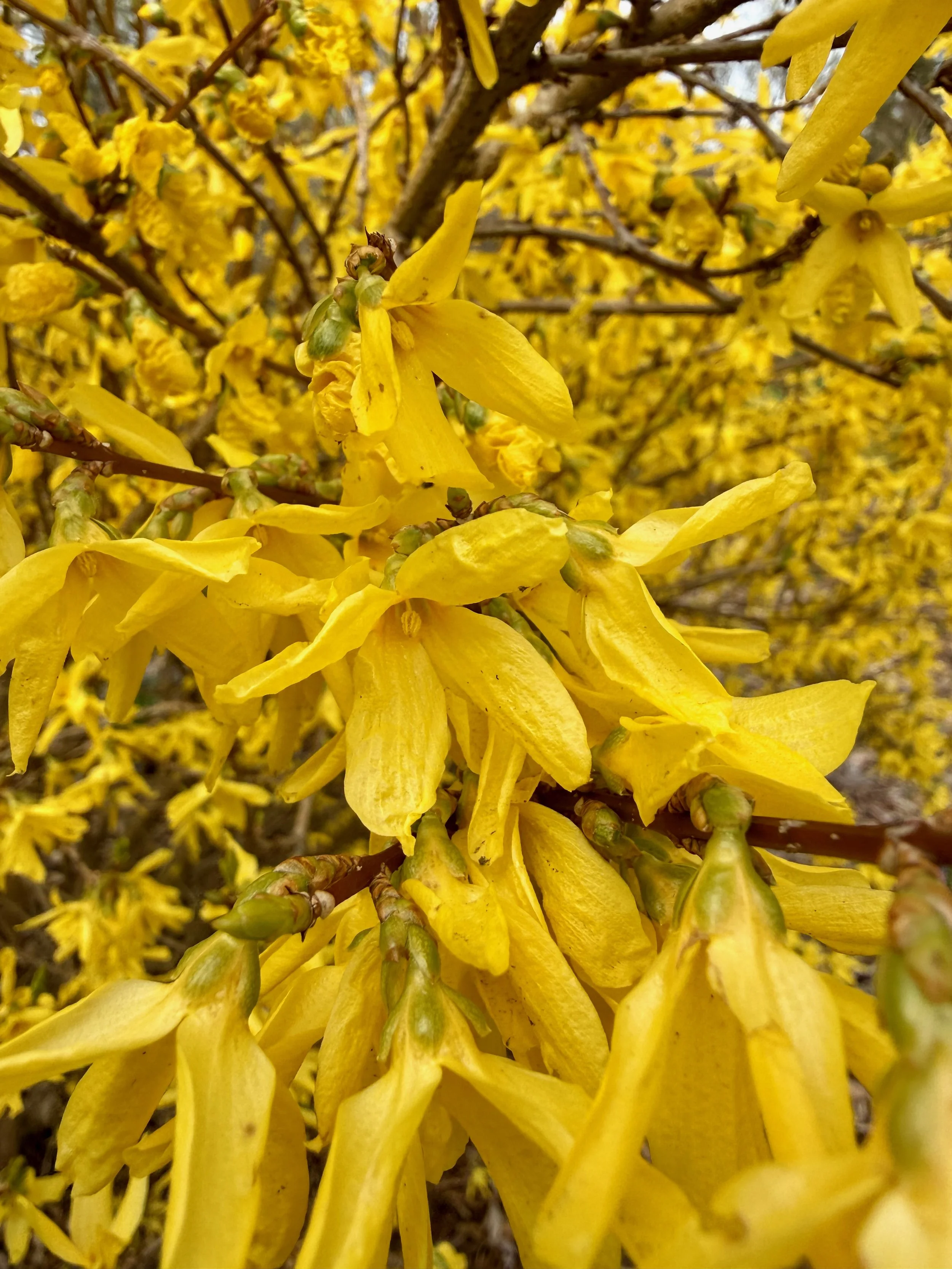
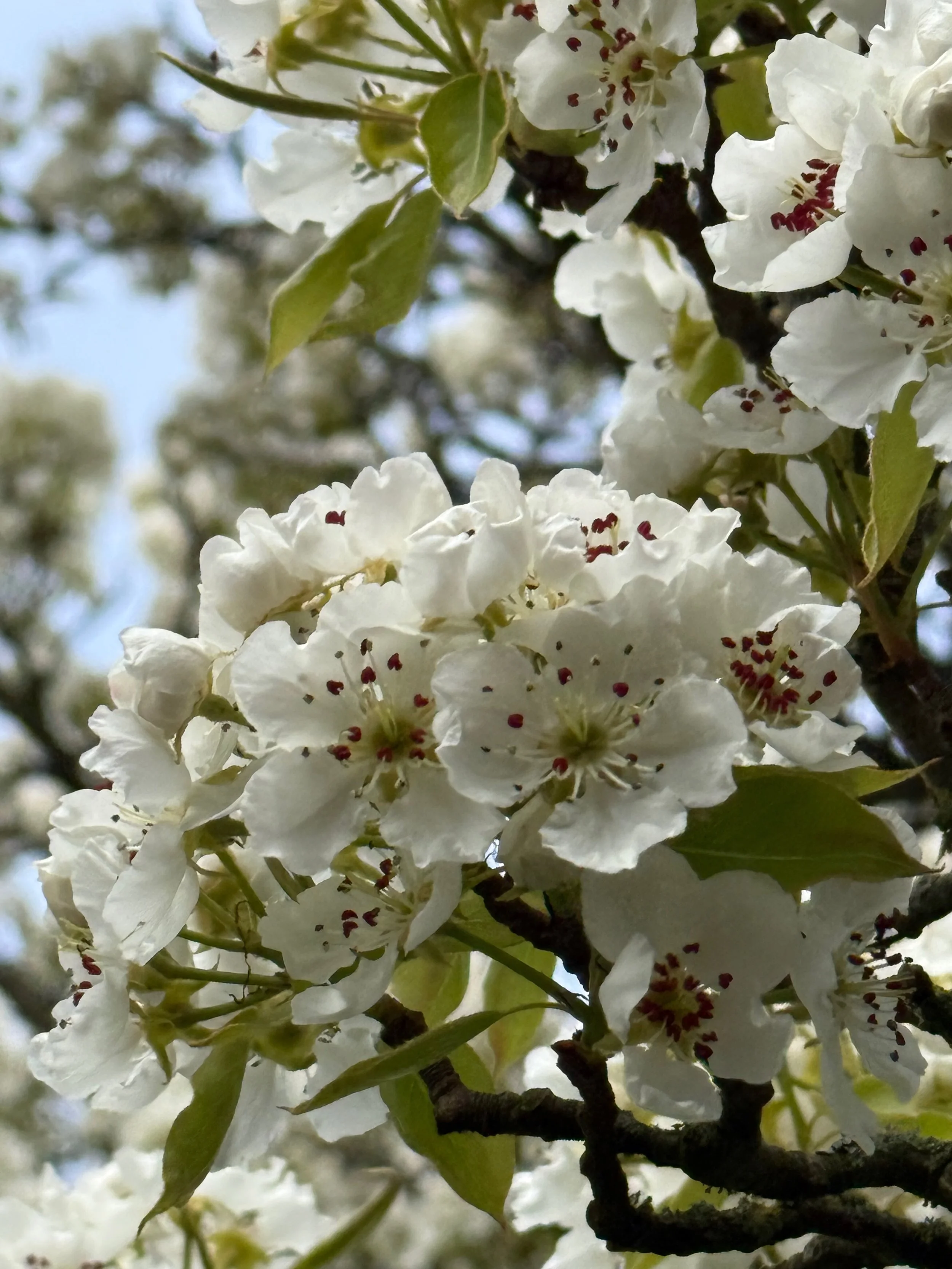
Photos from our visit to the Edinburgh Botanic Gardens.
What I Learned Talking to British Gardeners About Peat
I was in the UK earlier this month. While our primary focus was touring universities with my eldest, we managed to visit a few gardens and parks. And while admiring the daffodils, rhododendrons, and other early bloomers was high up on my list, I was also quite keen on chatting with some gardeners about peat. And this is what they shared.
LEAVING PEAT BEHIND…OR TRYING
The United Kingdom has spent the better part of three decades trying to ban peat from its gardens. They haven't quite managed it but in the process, an entire industry has been reinventing itself. To be fair, we’re doing the same experiments here but it seems with a bit less urgency and funding.
WHY PEAT BECAME THE DEFAULT
Peat has been the backbone of commercial horticulture in both the UK and the US since the mid-twentieth century. It is standard in nearly every potting mix, seed-starting blend, and professional growing medium on both sides of the Atlantic.
It’s pretty fantastic at what it does…consistent texture, reliable water retention, and provides near-sterile growing conditions. The ecological reckoning (dramatic, yes) came in the 1980s, when ecologists began documenting the destruction of ancient peatland habitats. Peat grows at roughly 1/16 of an inch per year. If we do some quick math, that means a 20-foot column represents six thousand years of accumulation.
For 15 years, the UK has set a range of peat-free targets, from voluntary to legislative bans but all have been delayed without much of a commitment from the government. However, the private sector and home gardeners haven’t waited to create progress.
THE INDUSTRY MOVED BEFORE THE LAW
I love this part. The Royal Horticultural Society (the RHS) stopped selling peat-based compost in 2019. From January 2026, all plants at its five gardens, retail outlets, and shows became "no new peat." Kew Gardens, the National Trust, B&Q, Sarah Raven, Beth Chatto's, Claire Austin, and thousands of other nurseries completed the same transition by choice. The voluntary momentum is remarkable and instills such optimism.
Here in the US, the conversation is less advanced at an institutional level. Canadian sphagnum peat remains the standard in most American potting mixes, driven entirely by market preference.
WHY REPLACING PEAT IS ACTUALLY HARD
It would be easy to assume switching is just a matter of reaching for a different bag on the shelf. The research and lived experience of companies and gardeners alike says otherwise.
A 2025 review published in Frontiers in Horticulture traced the science of growing media throughout the decade and concluded that no single material currently offers a fully viable replacement for peat. Its combination of nutrient buffering, water retention, structural stability, and pathogen absence is really difficult to replicate. The review found that blends, combinations of materials whose strengths offset each other's weaknesses, are the path forward.
The switch will also require some behavioral changes on our part. Peat-free mixes, especially those with higher wood or green waste content, need more attentive watering. They can dry out faster, and some struggle to rehydrate once bone dry. We’ll need to feed earlier, too; most peat-free mixes exhaust their nutrients within four to six weeks.
meet the alternatives
To expand the field and learn more, press the + for each material
-
The most widely adopted substitute. Coir is the fibrous outer husk of the coconut, which is a by-product that would otherwise go to waste. It holds roughly ten times its dry weight in water, making it the closest material to peat in moisture behavior.
Drawbacks: poor nutrient retention, requiring more supplemental feeding, water demands to remove salinity, environmental impact of long distance transport. Ethical sourcing varies, look for certification through the Responsible Sourcing Scheme when possible.
Potential best uses: seed starting in blends, containers, homemade mixes -
Wood fiber has become one of the most commercially used peat alternatives. Its physical properties can be tailored through processing: steam treatment produces a loose, airy material; milled fiber improves drainage differently. Composted bark is the more structurally stable cousin, performing well for longer-term container growing.
The main historic challenge is nitrogen drawdown. Decomposing wood temporarily reduces nitrogen availability to plant roots, though well-processed commercial products have largely addressed this.
Drawbacks: limited water retention compared to coir; quality varies significantly by processing method; not ideal as a standalone without supplemental feeding.
Potential best uses: mixed into potting media; container growing.
-
Made from composted garden and food waste, green compost is nutrient-rich and widely available. It is a standard component of most commercial peat-free blends but works best as one ingredient among several. Quality varies batch to batch.
Drawbacks: variable quality and nutrient levels batch to batch; elevated pathogen risk without stronger sanitisation standards; not suited as a primary medium on its own.
Potential best uses: soil improvement; blended at under 30% by volume in potting mixes.
-
Wool has been used in small ways in British horticulture for centuries, notably in the Yorkshire Rhubarb Triangle (I’m so excited to type those words) where it was traditionally layered to retain moisture and slowly release nutrients. It’s a waste product of the sheep farming industry…not so baaaaad, right? Wool amendments increase nitrogen availability in the root zone, boost microbial biomass, and improve plant tissue protein without introducing phytosanitary risks or harming beneficial microbial communities.
Drawbacks: initially low air capacity in hydroponic trials (though it improved after the first growing cycle); limited commercial availability; inconsistent product formats for home gardeners.
Potential best uses: amendment to existing potting mix at 10–20% by volume; moisture retention in containers; slow-release nutrition.
-
Hemp hurd, the woody inner core of the hemp stalk, left over after fiber and seed processing, is one of the more compelling peat comparisons on this list. Milled hurd is similar to peat in both porosity and water-holding capacity, and unlike coir, it retains nutrients reasonably well.
Where it differs most from peat is pH: peat runs acidic at around 3.5–4.5, while hemp hurd sits closer to neutral. For most kitchen garden crops, that's actually an advantage (vegetables prefer a pH of 6.0–7.0), which means hemp hurd doesn't require the pH correction that heavy peat use often does.
Hemp hurd also decomposes faster than peat, meaning it won't maintain its structure in a container as long. Factor that into how you blend and how often you refresh your mix.
For gardeners with access to a farm or stable, spent hemp bedding composts quickly and makes a useful soil amendment. Hemp breaks down significantly faster than wood due to its low lignin content, and the resulting compost is non-acidic and easy to work with.
Drawbacks: still emerging in home garden formats; decomposes faster than peat so requires more frequent refreshing in containers; research as a standalone potting substrate is promising but ongoing.
Potential best uses: composting spent stable bedding; soil amendment; blending into potting mixes as a partial peat substitute.
-
Sphagnum is the plant from which peat forms. Farming it rather than mining is intriguing. Grown on restored or degraded wetland sites in the UK and northern Europe, farmed sphagnum rebuilds habitat and water retention in the landscape while producing a genuinely renewable growing medium with properties close to peat itself.
It is not yet available in the US market in any meaningful way. I suspect this will change when Canada revises its peat regulations.
Drawbacks: not commercially available in the US; still scaling up even in the UK; expensive where it does exist.
Potential best uses: watching this space!
-
One of the few peat alternatives developed entirely in the US, made from recycled paper and cardboard fiber. Lightweight, pathogen-free, and OMRI listed, and really shines when it comes to water retention. The fiber structure distributes moisture evenly throughout the medium, with users consistently reporting significantly reduced watering needs compared to peat-based mixes.
The product line has grown considerably. For home gardeners the most relevant options are Plentiful (fully peat-free, organically fertilized, best reviewed for seed starting and containers), Performance (peat-free with controlled-release fertilizer), and Prime (unfertilized fiber, designed to be blended into your own mix at 30 to 50% by volume). Early versions of the raw fiber had limitations in shallow trays and smaller cells, but the finished blended products have largely addressed this. People seem increasingly happy, based on the reviews and blogs I’ve been reading.
Drawbacks: if allowed to dry out completely, Plentiful can shrink and struggle to rehydrate, so consistent moisture matters more than frequent watering;
Potential best uses: containers; seed starting with Plentiful; blending into custom mixes with Prime.
WHAT TO TRY AT HOME THIS SEASON
I have fallen in love with gardeners all over again. We may not have the perfect answer to replacing peat but we never shy away from a good experiment, embracing failures as part of the process.
If you're also trialing anything peat-free this year, I'd love to hear how it's going.
Coast of Maine Acadia Blend
Coast of Maine's new Acadia Blend is a peat-free mix built from the alternatives this article covers. Aged bark, coconut coir, compost, and wood biochar, with nutrition from alfalfa meal, kelp, and compost. No peat, no animal manures, OMRI certified. I've started to use for seed starting, in a container, and one raised bed, paying close attention to moisture behavior and how it performs across different crops.
PittMoss: Plentiful, Performance, and Prime
I'm set to begin trialing three PittMoss products side by side, curious to see how the finished blended mixes compare to each other and to the Coast of Maine blend, and how Prime behaves when blended into a custom mix.
Containers: Wool Amendment
I’ve just ordered wool pellets to add to portion of my container mix at roughly 10 to 15% by volume, comparing moisture retention and feeding requirements against containers without. Wool's slow-release nitrogen is the variable I'm most curious about in practice.
Soil Amendment: Composted Hemp Bedding
I have access to composted hemp bedding locally and have already started to work it into beds, both in-ground and raised. Fingers and toes crossed.
Signing off with a giant, to be continued.

JOIN OUR VIRTUAL GARDEN CLUB!
A seasonal series for home vegetable gardeners growing organic food with care, with monthly live calls offering guidance for more flavorful harvests, more resilient gardens, all with greater ease. We look forward to seeing you for the upcoming season.
Explore the Beneficial Kitchen Garden Club →